Gutter Cleaning Hackettstown for Safer and Smarter Homeownership
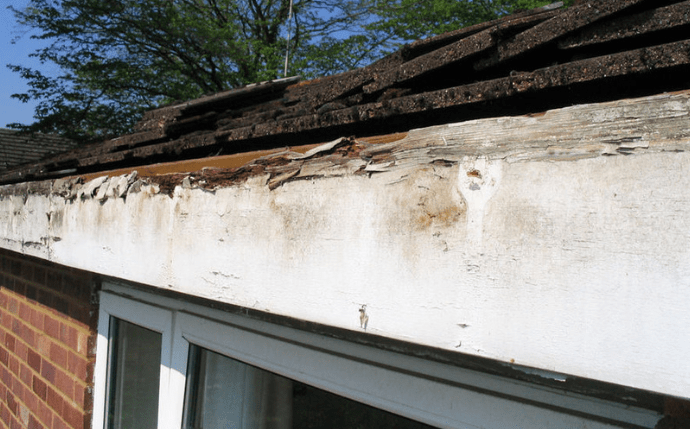
A house in Hackettstown deals with more than its share of weather. One season packs gutters with oak leaves and maple helicopters. Another drops heavy rain that tests every downspout, elbow, and fastener. Winter can lock standing water into ice, adding weight where the roofline was never meant to carry it. Because of that cycle, gutter maintenance is not a cosmetic chore. It is part of protecting the structure, the yard, and the budget that goes with owning a home.
People often notice gutters only when water starts pouring over the edge in a storm. By then, the system has usually been struggling for a while. Debris builds slowly, and water always takes the easiest path. If it cannot move through the gutter trough and downspouts, it spills over fascia boards, runs down siding, pools near the foundation, and finds weak points. What looked like a minor cleanup can turn into trim repairs, basement dampness, soil erosion, and in some homes, damage to walkways or landscaping beds that took years to establish.
That is why Gutter Cleaning Hackettstown is less about appearance and more about sensible homeownership. It is one of those maintenance tasks that seems easy to postpone right up until a wet spring or a wind-driven storm proves otherwise.
Why gutters fail quietly before they fail visibly
Most gutter systems do not stop working overnight. They decline in small stages. First comes a thin layer of grit from roof shingles and tree debris. Then leaves begin to mat together, especially near corners and downspout openings. Seeds settle into that damp material. In a surprisingly short time, a gutter can turn into a narrow planter box that holds water instead of moving it.
Homeowners are often surprised by how little blockage it takes to cause overflow. A downspout opening does not need to be fully packed to create trouble. Even a partial obstruction slows the flow enough that a hard rain overwhelms the system. On a ranch home with a straightforward roofline, that may produce an obvious spill in one section. On a two-story home with several valleys feeding the same run, the volume can be far greater, and the overflow can travel in unpredictable ways.
The quiet part is what makes gutter neglect expensive. Water staining on the fascia board may seem minor. A muddy trench near the flower bed may not feel urgent. Yet those are early warnings. When water repeatedly lands in the same place, it changes grade, loosens mulch, splashes dirt onto siding, and saturates the ground near the foundation. Homes with finished basements or crawl spaces are especially vulnerable because outside drainage problems often become inside moisture problems.
Hackettstown properties vary a lot, which matters here. An older home near mature trees may need attention more often than a newer development lot with fewer overhanging branches. A steep roof sheds debris and water differently than a low-slope roof. Homes tucked into shaded areas often keep moisture longer, which accelerates the buildup of decomposing leaf matter in the gutters. One schedule does not fit every property.
The local conditions that make routine cleaning worthwhile
Northwest New Jersey gives homeowners a full year of weather, and gutters take the hit. Fall is the obvious season for cleaning, but spring matters just as much. Winter storms leave behind twigs, granules, and clumped debris. Freeze-thaw cycles can shift older fasteners and expose low spots where water sits. By the time spring rain arrives, a gutter that looked fine in February may already be compromised.
Homes in and around Hackettstown also contend with wind patterns that move debris farther than expected. It is not unusual to find one side of a house relatively clear while a protected rear section collects a thick layer of leaves. Roof valleys are another trouble point. They concentrate runoff and carry needles, seed pods, and granules into the gutter system with force. That concentrated flow can turn a modest clog into a serious overflow during a single strong storm.
The timing of maintenance matters because clogged gutters rarely stay isolated to the gutter itself. If water spills behind the gutter instead of into it, fascia and soffit materials begin to suffer. Painted wood peels. Composite trim can swell at seams. Hidden rot develops where homeowners do not look often. Once repairs reach that stage, the job is no longer simple upkeep. It becomes carpentry, paint work, and sometimes pest remediation if damp wood has drawn insects.
What a proper cleaning actually involves
A real gutter cleaning is more than scooping out leaves. The visible debris is only part of the story. Fine sediment settles at the bottom of the gutter, especially in older systems or on roofs that shed granules. That layer holds moisture and slows drainage. Downspouts need to be tested, not just assumed clear because the top opening looks open. Hangers should be checked for looseness, and the pitch of the gutter should still direct water toward the outlet.
Professionals who do this work well pay attention to the pattern of debris, not just the debris itself. If one corner consistently holds standing water, that may point to an alignment issue. If shingle grit is unusually heavy, the roof may be aging. If overflow marks appear behind the gutter, the drip edge or installation detail may need a closer look. Good service is part cleaning, part inspection.
A homeowner doing the job personally should approach it the same way. Cleaning out the trough but leaving a slow downspout defeats the purpose. So does flushing everything onto a walkway and ignoring where that water will go next. The work is not complicated in theory, but the details matter. The difference between a quick cleanup and an effective one is whether water actually flows where it should when the next storm arrives.
The safety issue people underestimate
Ladder work around gutters gets treated casually far too often. That is a mistake. The risk is not limited to very high roofs. Even a one-story home can produce a serious injury if the ladder shifts on soft ground, mulch, or an uneven walkway. Add wet leaves, mud, extension cords, or https://pastelink.net/en8k0r2o overhead lines, and the danger rises quickly.
The job also encourages overreaching. People stretch to save time instead of climbing down and repositioning. They carry too much in one hand. They step onto the roof without realizing how slick shaded shingles can be, especially when moss or fine debris is present. I have seen homeowners with good intentions turn a simple maintenance task into an urgent care visit because the work looked easier from the driveway than it felt halfway up a ladder.
A smart approach starts with honesty about the house. A low ranch with wide, stable access is one thing. A two-story colonial with landscaping beds, retaining walls, and a sloped side yard is another. If the setup forces awkward ladder angles or creates unstable footing, hiring out the work is usually the wiser choice. Saving a service fee is not much of a victory if it comes with a fall, a dented gutter, or damaged siding.
Signs your home is overdue for service
Some warning signs are obvious, but others are easy to miss until the damage spreads. Watch the house during rain if you can. A functioning gutter system should collect and direct water smoothly. It should not create sheet flow over the front edge, waterfalls at seams, or drips from behind the gutter. Dry weather tells a story too. Staining on siding, washed-out mulch, sagging sections, and plants growing from the gutter line are all clues.
The following signs usually mean it is time to act:
- Water spilling over the gutter edge during moderate rain
- Sagging runs or loose fasteners at the fascia
- Dirt streaks on siding beneath the roofline
- Puddling near the foundation after storms
- Visible plant growth or matted debris in the gutter trough
None of these symptoms improve on their own. They tend to compound because every storm adds more water and more debris to an already stressed system.
How often should gutters be cleaned in Hackettstown?
There is no honest one-size answer, but many homes do well with service twice a year, usually once in late spring and once in late fall. That said, mature trees can push a property into a three-cleaning schedule, especially if pine needles, seed pods, or stubborn leaf drop keep collecting. Homes with minimal tree cover may get by with less frequent service, though they still need periodic inspection because shingle grit and storm debris accumulate even when leaves are not a major issue.
The best schedule comes from the property itself. A house surrounded by tall deciduous trees will load up differently than a house on a more open lot. A homeowner who notices repeated overflow on one elevation may need a targeted mid-season cleaning there. The key is pattern recognition. If your gutters are full every November and again by May, the house is telling you something. The right response is not to hope for a lighter season. It is to set a maintenance rhythm that matches the conditions.
For many Hackettstown homeowners, that rhythm becomes easier once they stop thinking of gutter care as a random chore and start treating it like HVAC service or lawn care. Regular, planned maintenance usually costs less and creates fewer surprises than emergency cleanup after a storm.
DIY versus professional service
There is a place for do-it-yourself gutter maintenance. Some homeowners are comfortable on ladders, have the right tools, and know the layout of their roofline well. On a simple home with safe access, DIY cleaning can be practical. It also gives homeowners a close look at their exterior, which can help spot small issues early.
Still, professional service offers advantages that go beyond convenience. Experience matters when identifying slope problems, hidden clogs, loose seams, or sections that are beginning to pull away from the fascia. Professionals also tend to work more efficiently and dispose of debris properly rather than simply moving the mess from the gutter to the lawn. On homes with second-story runs, steep pitches, or difficult access, the value of trained hands becomes even clearer.
Here is a straightforward way to decide:
- DIY makes sense for low, accessible rooflines and homeowners who are comfortable with ladder safety.
- Professional service makes sense for multi-story homes, complex rooflines, or any property with difficult footing.
- Professional help is also wise when gutters overflow despite recent cleaning, since that suggests a repair issue rather than simple debris.
There is also a middle ground. Some homeowners handle occasional visual checks and minor touch-ups, then bring in a service company for deeper seasonal cleaning. That can work well if the division is realistic and safety stays the priority.
What gutter guards can and cannot do
Gutter guards come up in almost every conversation about maintenance, and they deserve a balanced view. They can reduce large debris buildup, especially leaves, but they are not a universal fix. Fine materials still get through many systems. Pine needles can bridge over openings. Seed pods, grit, and roof sediment still collect. Guards also do not correct poor pitch, bad fastening, or undersized downspouts.
On some homes, guards are a sensible upgrade because they reduce how often the gutters pack tightly with leaves. On other homes, especially those with certain tree types or complicated roof valleys, they help only modestly and can make detailed cleaning more time-consuming. The best results come when guards are chosen based on the property, not because they are marketed as a permanent escape from maintenance.
If a homeowner is considering guards, it helps to ask a practical question instead of a hopeful one: will this product reduce the type of debris my house actually gets? A broad-leaf tree creates one challenge. Pine-heavy surroundings create another. A useful recommendation should be specific to that difference.
The hidden costs of putting it off
Gutter neglect rarely produces a single dramatic bill. More often, it creates a string of medium-sized expenses that feel unrelated until someone traces them back to drainage. A fascia repair here, a basement moisture issue there, a section of landscaping washed out after storms, a walkway that begins to settle because runoff keeps saturating one edge. Each repair may be manageable on its own. Together, they can far exceed the cost of regular service.
Insurance does not always rescue preventable maintenance issues either. If damage results from a pattern of neglect, coverage may not work the way homeowners assume. Even when damage is technically covered, deductibles and disruption still make the outcome expensive. Prevention is less dramatic, but it is almost always cheaper.
There is also the issue of time. Overflowing gutters during a storm create urgency at the worst possible moment. Nobody wants to troubleshoot drainage while rain is coming down, the yard is flooding, and water is creeping toward the foundation. Routine cleaning done on a calm day is easier, safer, and far more effective.
Choosing a service provider without guessing
A good gutter cleaning company should be clear about scope. Homeowners should know whether downspout flushing is included, whether bagging and debris removal are part of the service, and whether minor issues such as loose spikes or disconnected elbows will be flagged during the visit. Vague pricing often leads to vague results.
Communication matters as much as the cleaning itself. Reliable providers explain what they found, where problem spots exist, and whether a section needs monitoring or repair. They do not rely on scare tactics. They point to visible evidence. If one side of the house is carrying most of the debris load, they say so. If a downspout drains too close to the foundation, they explain why that matters. Homeowners should come away understanding the condition of the system, not just the price of the invoice.
For anyone searching specifically for Gutter Cleaning Hackettstown, local familiarity has value. A company that regularly works in the area is more likely to understand how local tree cover, seasonal weather, and common home styles affect drainage patterns. That does not guarantee quality on its own, but it often improves judgment and efficiency.
A smarter way to think about gutter maintenance
Good homeownership is usually not about glamorous projects. It is about protecting the basics so bigger systems do not fail early. Gutters sit in that category. When they work, almost nobody talks about them. When they fail, the results spread quickly from the roofline to the siding, foundation, basement, and landscape.
The smartest homeowners tend to approach gutter care with a simple mindset. They do not wait for dramatic symptoms. They watch how the house handles water. They respond to small warnings before they become repair jobs. They understand that a few hundred dollars spent predictably can prevent far more expensive and disruptive work later.
Hackettstown homes deserve that level of attention because the local climate will test every weak point eventually. Leaves, rain, snow, and ice are not unusual events here. They are the normal rhythm of the year. A gutter system that is cleaned, checked, and kept flowing turns that rhythm into something manageable. A neglected one turns it into an avoidable problem.
For safer and smarter homeownership, Gutter Cleaning Hackettstown is not a minor seasonal item to cross off only when convenient. It is part of taking the house seriously, protecting what you own, and making sure rainwater leaves the property the way it should, quickly, cleanly, and without taking part of the house with it.
Just Gutters LLC
Address: 262 Main St, Hackettstown, NJ 07840
Phone number: +12013319454
FAQ About Gutter Cleaning Hackettstown
How much should a gutter clean cost?
Professional gutter cleaning typically costs between $163 and $333, with a national average of around $210 to $250 for a standard-sized home.
What months should you clean gutters?
You should clean your gutters twice a year—once in late autumn (November to December) and once in late spring (April to May).
Is it worth paying for gutter cleaning?
Yes, paying for gutter cleaning is worth it because it prevents thousands of dollars in water damage, roof leaks, and structural repairs.